


A Gentler Encounter: Understanding Elephant Conservation Around Khao Lak
For many visitors to Thailand, seeing elephants is an unforgettable part of the journey.
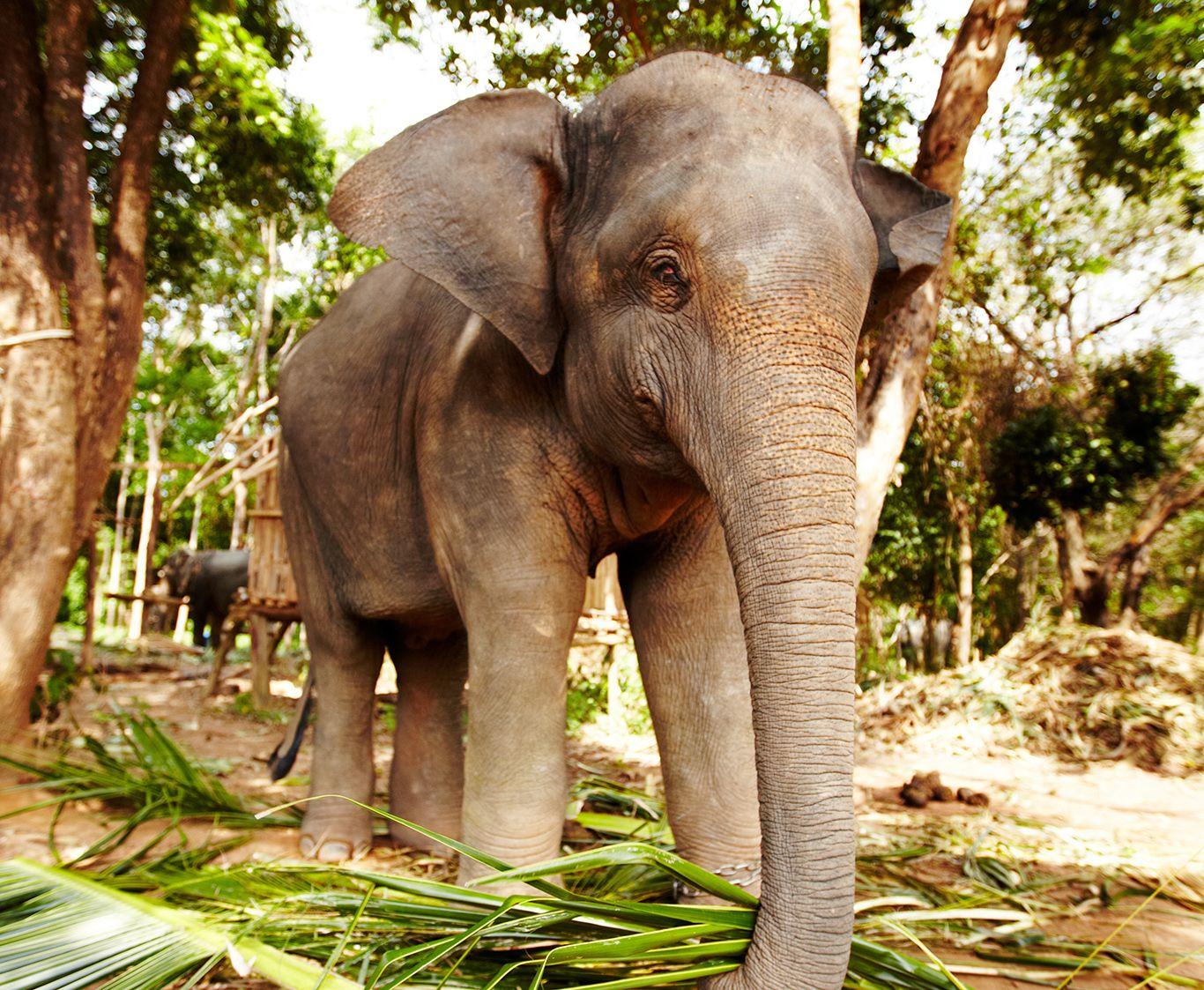
For many visitors to Thailand, seeing elephants is an unforgettable part of the journey.
But around Khao Lak, there’s a growing shift in how those experiences are approached, moving away from performance and entertainment, and toward rehabilitation, protection and long-term care.
Across the region, a number of elephant conservation centres and ethical sanctuaries now focus on giving rescued elephants a safer and more natural environment, while also helping visitors better understand the complex history behind elephant tourism in Thailand.
The historical role of elephants in Thailand
For generations, elephants played an important role in Thailand’s logging and construction industries.
Before modern machinery became widespread, elephants were used to:
- move heavy timber
- transport materials through dense forest
- support rural industries and infrastructure
Their strength and intelligence made them central to work across many regions of the country.
However, when Thailand introduced a logging ban in 1989 to protect its forests, many working elephants and their handlers suddenly lost their primary source of income.
This created a difficult transition period.
Without the logging industry, thousands of elephants required ongoing care, food and medical support, while many owners struggled to financially support them.
Over time, tourism became one of the few available alternatives.
The shift toward ethical conservation
In recent years, attitudes toward elephant tourism have begun to change significantly.
Many travellers now actively seek more ethical experiences that prioritise:
- animal welfare
- natural behaviour
- rehabilitation
- education
- reduced human impact
Around Khao Lak, several conservation-focused centres now care for elephants that may have previously worked in logging or tourism environments.
Rather than performances or intensive interaction, many sanctuaries focus on:
- open environments
- feeding experiences
- observing elephants naturally
- bathing in rivers or mud pools
- veterinary care
- long-term rehabilitation
The emphasis is increasingly on respect and understanding rather than entertainment.
A different kind of wildlife experience
What often surprises visitors is how calm and emotional these encounters can feel.
Watching elephants move slowly through forest landscapes, socialise with one another, or cool off in water offers a very different experience from traditional tourism attractions.
There’s a growing understanding that elephants are highly intelligent, social animals with long memories and complex behaviours.
For many travellers, the experience becomes less about getting the perfect photograph and more about understanding the animals themselves.
Choosing responsible elephant experiences
Not all elephant experiences operate in the same way, which is why many travellers now research carefully before visiting.
Ethical-focused centres often encourage:
- smaller group visits
- observation over performance
- no forced tricks or shows
- reduced riding activities
- education around elephant welfare
- conservation funding and care
While approaches vary between centres, the wider movement around Khao Lak reflects a broader shift toward more responsible tourism.
Conservation and tourism working together
Elephant sanctuaries also highlight a wider challenge within tourism, balancing animal welfare, conservation funding and local livelihoods.
Caring for elephants requires significant ongoing resources, including:
- food
- land
- veterinary care
- trained handlers
- rehabilitation support
Responsible tourism can help support that transition when approached carefully and ethically.
A more thoughtful connection with Thailand’s wildlife
Experiences with elephants remain deeply moving for many visitors to Thailand.
But around Khao Lak, the conversation is gradually changing.
The focus is becoming less about spectacle and more about coexistence, education and long-term care.
And for many travellers, that creates a far more meaningful experience.
Related articles
More guides worth reading next
Guide
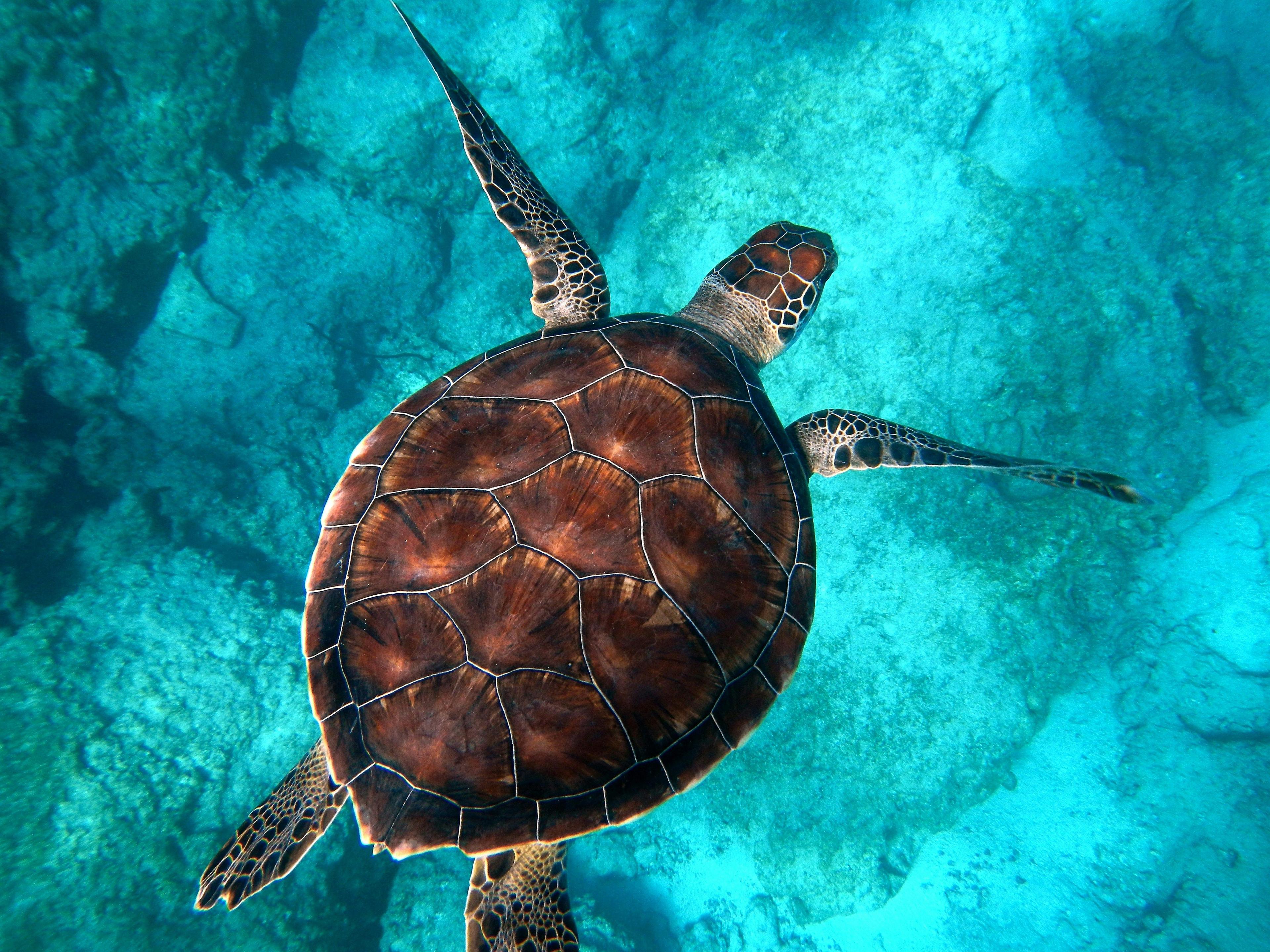
Beneath the Surface: Snorkelling and Scuba Diving Around Khao Lak
Beyond the beaches, the Andaman Sea opens into an underwater world filled with coral gardens, tropical fish, sea turtles and some of the clearest water in Thailand.
Guide
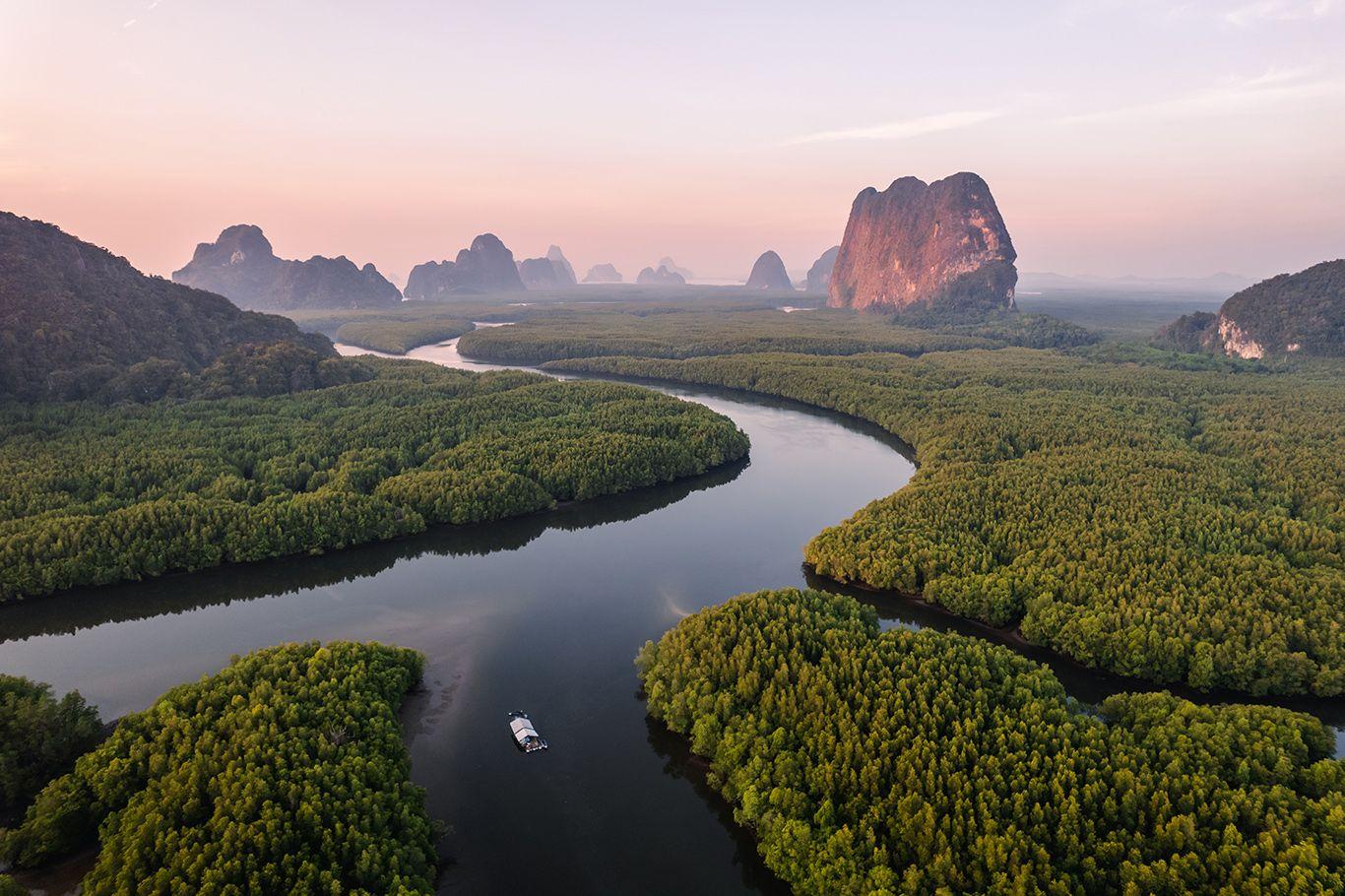
The Natural Beauty of Phang Nga: Beaches, Jungle and Limestone Landscapes of Southern Thailand
There are parts of Thailand that feel designed for postcards. And then there’s Phang Nga, a region that feels shaped entirely by nature itself.
 Featured
Food
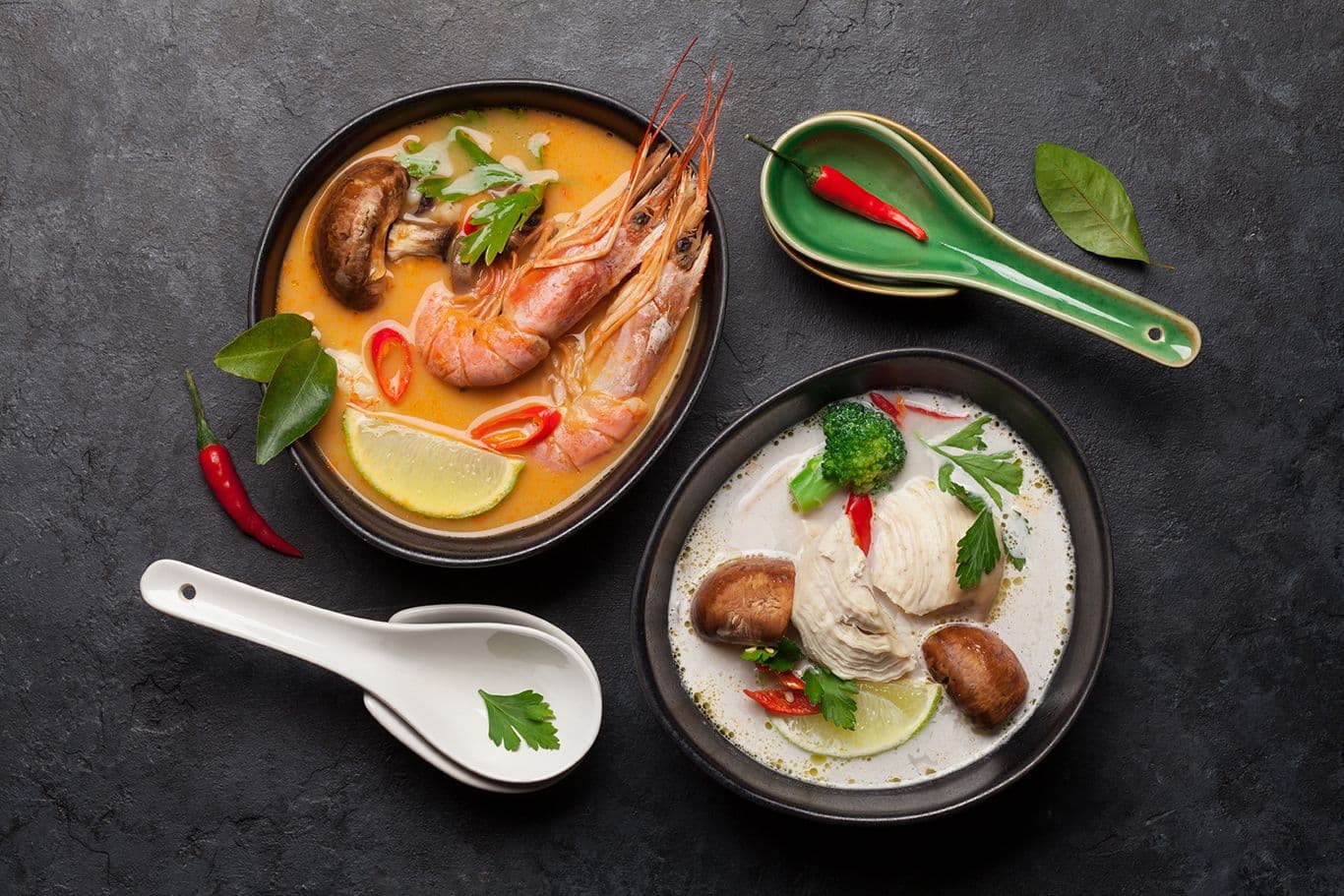
The Flavours of Southern Thailand: Food, Spice and the Culture of Eating in Khao Lak
One of the first things visitors notice about southern Thailand is that food isn’t treated as an occasion - It’s part of the rhythm of everyday life.
Continue reading